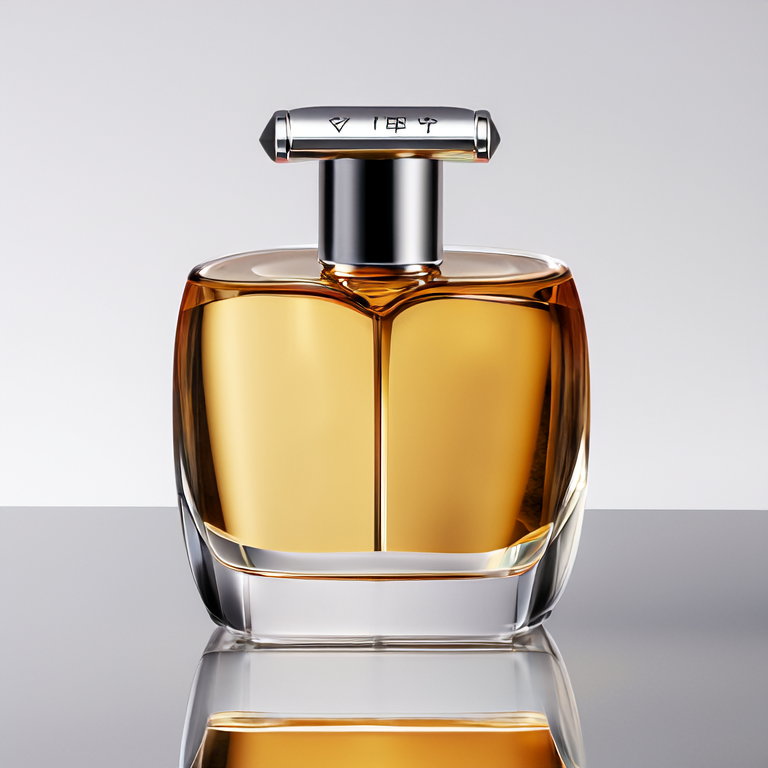
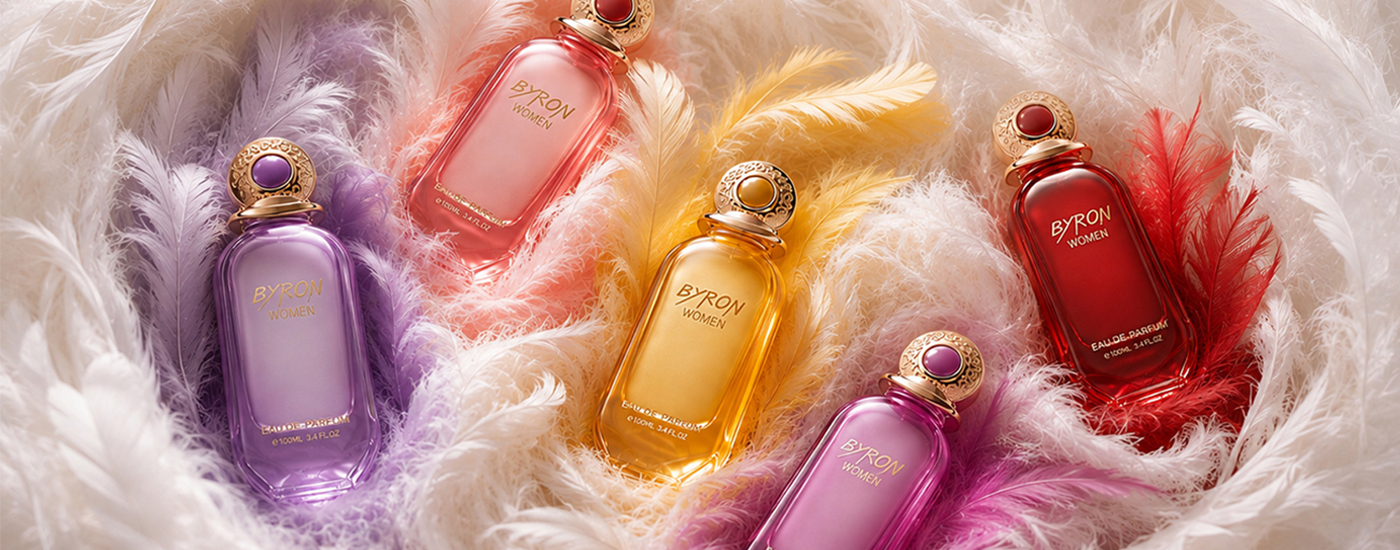
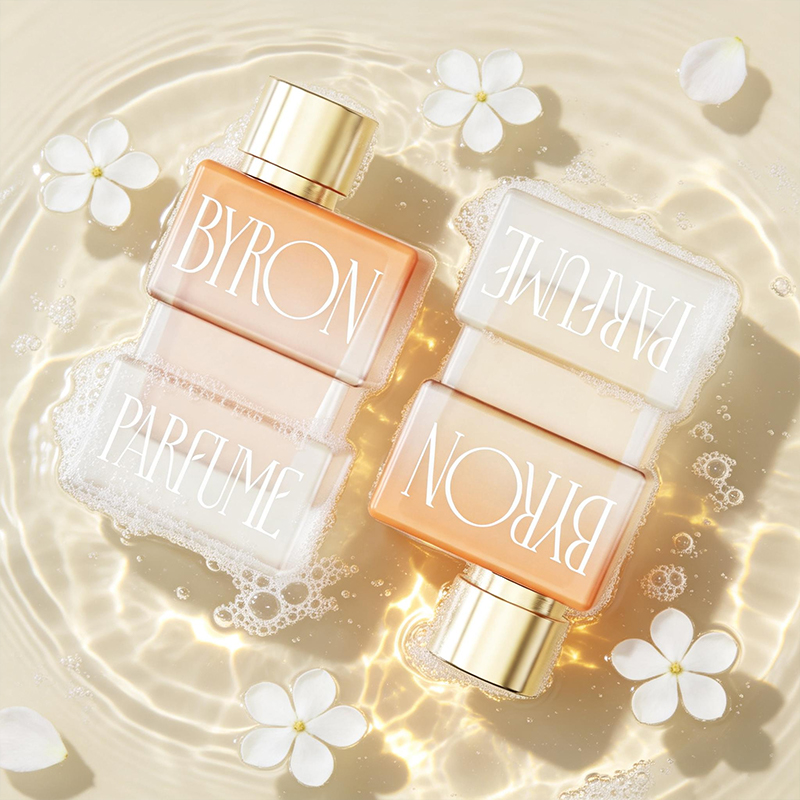
When looking to elevate your brand's fragrance offering, the right packaging can make all the difference. Using the Glass Perfume Bottle with Sprayer is a strategic choice for both aesthetics and functionality. This guide will take you through solving common user problems and ensuring that your brand stands out in the fragrance market.
To begin, it’s crucial to understand the multiple facets of using glass perfume bottles effectively. From sourcing to branding, each step plays a vital role in product success. As a brand manager, I’ve seen that taking a structured approach early on can mitigate potential issues later.
Understanding Your Target Bottle Design
-
Identify Target Demographic: Before selecting a design, know your audience. Are they luxury buyers or budget-conscious? This dictates your design elements and features.
-
Choose the Right Shape and Size: Consider the purpose of your bottle:
- Standard Sizes: 50ml or 100ml are popular choices.
- Shape: Tall and narrow for elegance, or rounded for approachability.
-
Material Quality: Opt for glass that meets industry standards, such as ASTM C1520 for strength and clarity. Ensure that your bottles are 100% inspected for imperfections.
Incorporating Functional Sprayer Mechanisms
-
Select the Right Sprayer Type: Options include piston or bulb sprayers. Each has its pros and cons:
- Piston Sprayers: Offer precision, dispensing liquid to 0.01 mm accuracy.
- Bulb Sprayers: Provide a vintage feel, appealing to niche markets.
-
Testing the Mechanism: Perform thorough testing to ensure sprayers work smoothly. Aim for 24-hour response handling for any defects.
Branding and Branding Elements
-
Labeling and Artwork Design: Make sure your branding is cohesive:
- Use water-resistant labels to avoid smudging.
- Employ intriguing graphics that speak to your brand ethos.
-
Quality Control Standards: Adhere to quality control protocols like ISO 9001 to guarantee product reliability and customer satisfaction.
-
Showcasing with Packaging: Beautiful packaging emphasizes the luxurious nature of your fragrance. Use eco-friendly materials if possible to resonate with modern consumers.
Addressing Common Challenges
While implementing these steps, challenges may arise. Ensure you have strategies to circumvent these:
- Supply Chain Disruptions: Build relationships with multiple suppliers. This diversifies risk and ensures steady access to components.
- Consumer Feedback Loops: Solicit customer input after launch. Use this data to improve branding or sprayer functionality.
Success Stories to Inspire
I recall working with a small perfume startup that applied these principles. They chose a minimalist glass design coupled with a high-quality piston sprayer. Initial batches experienced a 98% satisfaction rate, and sales tripled after the first quarter due to positive customer reviews and effective branding aligned with their demographic.
Practical Tools and Resources
- Product Design Software: Tools like Adobe Illustrator enable you to create high-quality designs for bottling.
- Quality Assurance Frameworks: Implement standards from renowned organizations like DIN to ensure reliability.
- Customer Relationship Management (CRM): Utilize systems like HubSpot to maintain customer engagement for feedback.
Key Takeaways
- Thoroughly assess your audience to guide design and functionality.
- Prioritize high-quality materials—industry standards matter.
- Establish a robust feedback mechanism post-launch for continual improvement.
In summary, using a Glass Perfume Bottle with Sprayer is not just about the physical product—it's about the entire brand experience. By following this guide carefully, I believe your brand can flourish in the competitive perfume industry. Remember, meticulous planning and execution in your processes will yield lasting success.