Guide to Surface Finishing for Embossed Perfume Bottle Packaging
Embossed perfume bottles are an exquisite choice for luxury packaging, enhancing the overall presentation and appeal of fragrances. The surface finishing of these bottles plays a vital role in elevating their aesthetic and tactile qualities. In this guide, we will delve into the various surface finishing techniques specifically applicable to embossed perfume bottle packaging, detailing actionable steps and expert recommendations to achieve stunning results.
1. Understanding Embossed Perfume Bottle Packaging
- Definition and Importance: Embossed bottles feature raised designs that not only create visual interest but also facilitate brand identity and customer engagement.
- Market Demand: According to a report by Grand View Research, the global luxury perfume market is expected to reach $39.5 billion by 2025, emphasizing the need for unique packaging solutions.
2. Types of Surface Finishing Techniques
- Glossy Finish: This finish involves applying a clear coat for a shiny surface, enhancing colors and creating a premium look.
- Steps to Achieve a Glossy Finish:
- 1. Prepare the surface by cleaning the embossed sections.
- 2. Apply a primer to ensure adhesion.
- 3. Use a spray or roller to apply a glossy clear coat evenly.
- 4. Allow adequate drying time before handling.
- Matte Finish: A matte finish is less reflective and offers a sophisticated, understated elegance.
- Steps to Achieve a Matte Finish:
- 1. Sand the surface lightly to promote texture.
- 2. Apply a matte clear coat spray with even strokes.
- 3. Use a lint-free cloth to buff the surface post-application for a smooth, non-reflective touch.
- Textured Finish: Adding texture to the surface can create tactile engagement, enhancing the customer experience.
- Steps to Create a Textured Finish:
- 1. Choose appropriate materials or tools such as rubber stamps.
- 2. Apply the texture while the final material is still tacky.
- 3. Ensure consistency by pressing evenly across the surface.
3. Considerations for Material Selection
- Glass vs. Plastic: Glass embossed bottles typically deliver a more luxurious feel, while plastic can offer versatility and lighter weight.
- Eco-friendly Options: Consider sustainable materials that resonate with modern consumers, promoting environmental responsibility.
4. Customization and Brand Identity
- Incorporating Brand Elements: Ensure that your embossed design reflects your brand ethos, using logos, colors, and imagery synonymous with your fragrance line.
- Collaborate with Designers: Work with packaging designers to create unique mold designs that enhance branding while maintaining functionality.
5. Quality Control and Testing
- Importance of Testing: Quality control ensures that finished products meet durability and aesthetic standards.
- Recommended Testing Methods:
- 1. Scratch resistance tests to gauge surface durability.
- 2. Visual inspections for consistency in embossing and finishing.
6. The Future of Embossed Perfume Bottle Packaging
- Trends to Watch: As luxury markets evolve, stay informed about new finishing technologies such as digital printing and advanced coatings that may revolutionize packaging aesthetics.
- Consumer Preferences: Be proactive in understanding trends such as minimalism and nature-inspired designs that customers are gravitating towards.
Conclusion
By investing time and resources into surface finishing for embossed perfume bottle packaging, brands can significantly enhance their product's appeal and marketability. Whether opting for glossy, matte, or textured finishes, choosing the right materials, and focusing on customization and quality control will ensure a standout product. For more information and examples, you can refer to Byron: 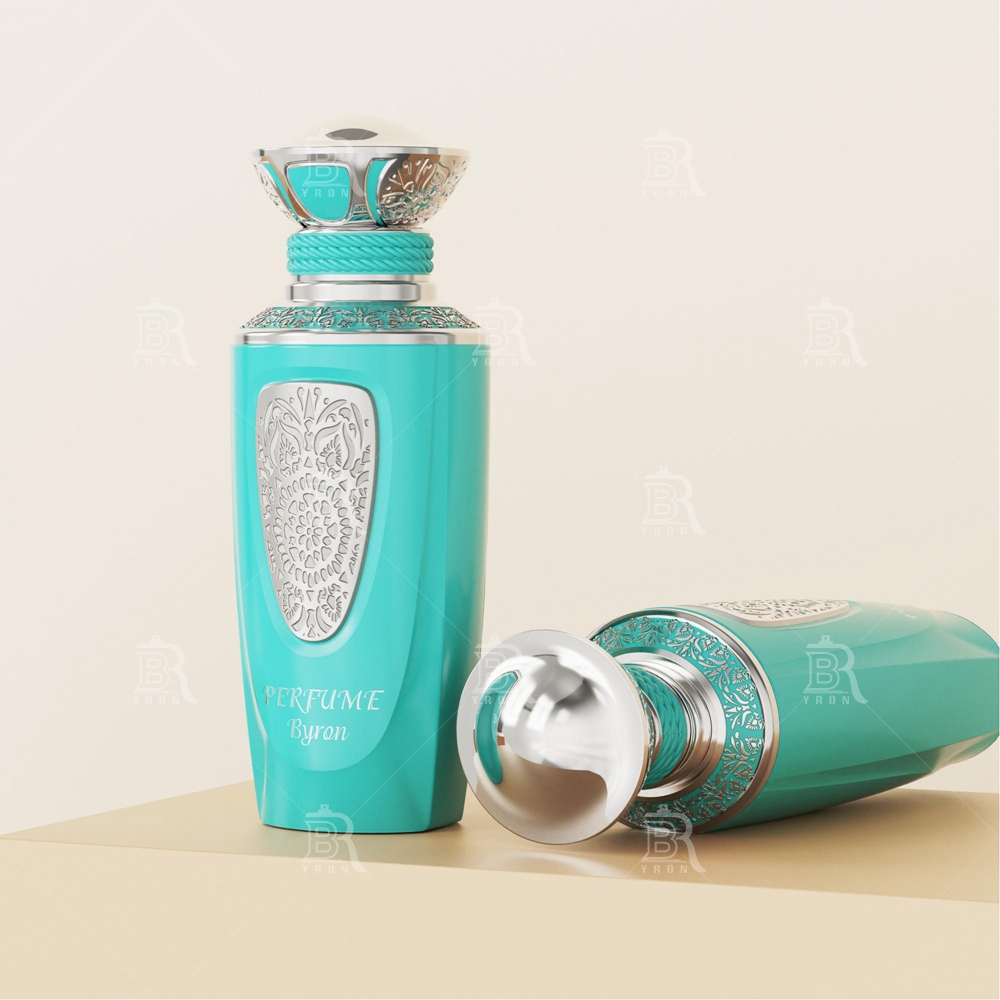 Byron Packaging" />