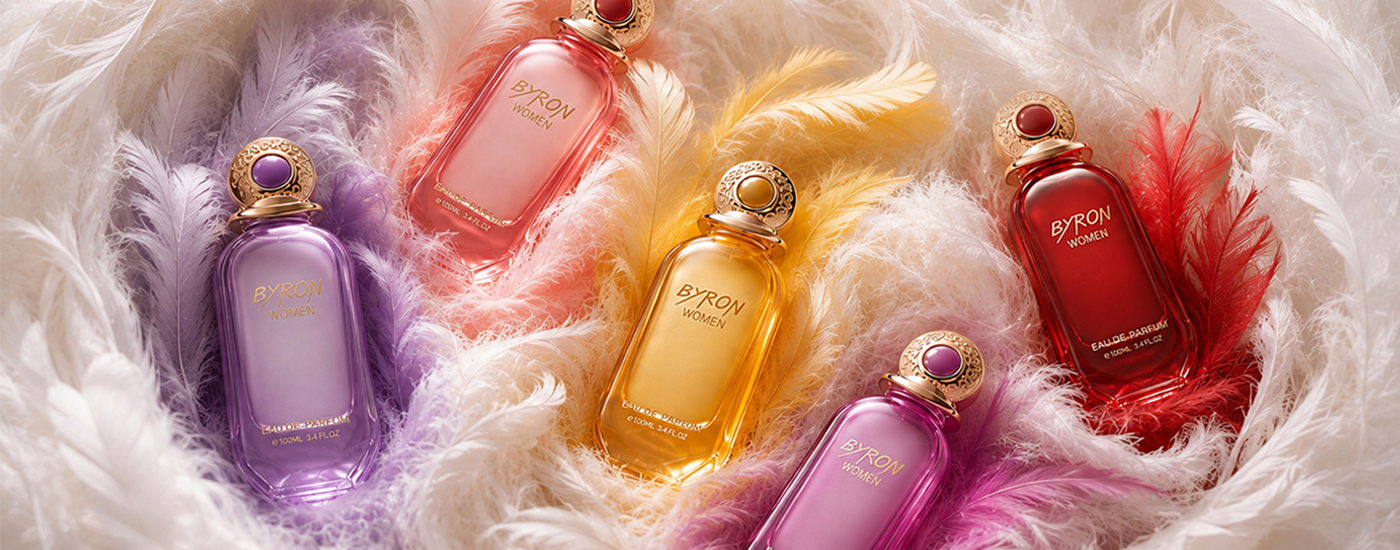
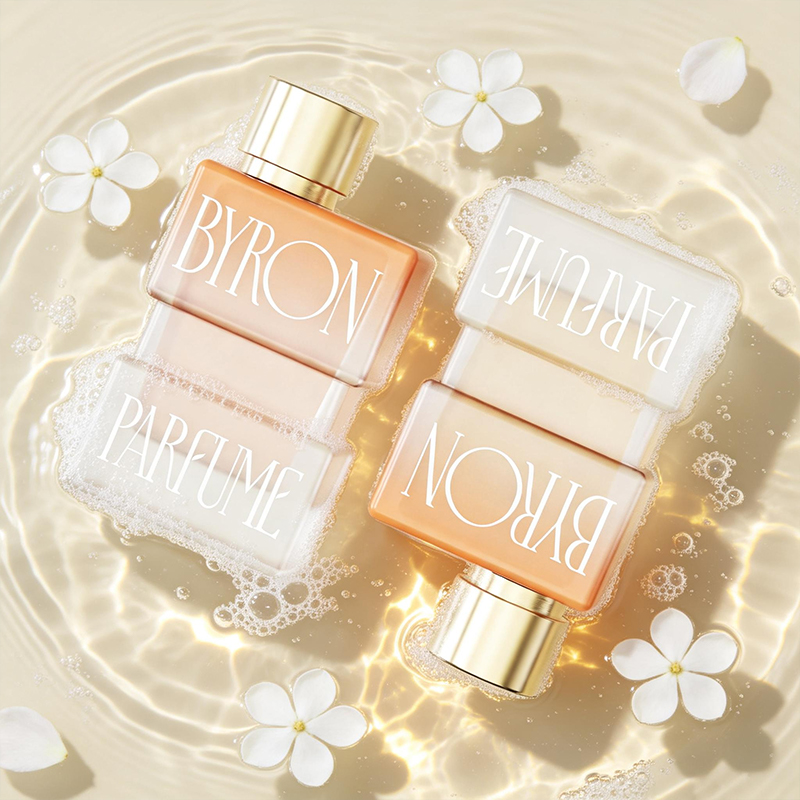
An Amber Gradient Perfume Bottle is a sophisticated and visually appealing container used for high-end fragrances, characterized by a rich amber color that transitions smoothly to lighter hues. This design not only enhances the aesthetic appeal but also serves practical purposes, such as protecting the delicate fragrance from light damage, which can alter its composition. For businesses in the luxury perfume market, incorporating such bottles into their packaging strategy can significantly increase brand perception and customer loyalty, resulting in higher sales and market presence.
The history of perfume bottle design dates back to ancient civilizations, where vessels were crafted from glass, clay, or metal. Over the centuries, artisans honed their skills, leading to the intricate designs we see today. The amber gradient perfume bottle emerged as a trend in the late 20th century, aiming to combine functionality with artistry, reflecting the brand's ethos and the scent's identity. This evolution highlights a commitment to quality and craftsmanship, appealing to consumers who appreciate the finer details in luxury products.
In practical terms, the significance of the amber gradient perfume bottle lies in its ability to capture and convey the essence of a fragrance. These bottles often feature a unique construction technique that utilizes modern glass-making processes adhering to ASTM standards, ensuring strength and clarity. Furthermore, incorporating a gradient design influences consumer choices, as studies have shown that appealing packaging can increase purchase likelihood by up to 30%. The gradient effect not only enhances visual appeal but also suggests a perfume that is complex and multi-faceted, much like the scents within.
Despite their allure, misconceptions about the amber gradient perfume bottle persist. Some consumers believe that such luxury packaging is merely superficial, lacking in functional benefits. However, experts warn against this notion, as the protective properties offered by tinted glass—specifically the amber tone—serve to preserve essential oils from ultraviolet light, thereby prolonging the fragrance's longevity. Additionally, the use of air-tight closures in conjunction with these bottles ensures that the scent remains unchanged over time, which is invaluable for luxury brands.
An example of this can be seen with Byron fragrances, renowned for their emphasis on both scent quality and packaging innovation. Their line of perfumes is not only aesthetically captivating due to the amber gradient bottles but also respects environmental considerations by utilizing recyclable materials and ensuring that each bottle undergoes a rigorous 100% inspection process for imperfections.
To summarize, the amber gradient perfume bottle represents an intersection of art and utility in the luxury fragrance market. By understanding its definition, history, practical applications, and associated misconceptions, businesses can better leverage this element of luxury packaging to enhance brand image and customer satisfaction. By adopting these sophisticated designs, brands can invite consumers to explore a world where every detail, from scent to packaging, tells a compelling story. For those interested in elevating their packaging game, considering the use of the amber gradient perfume bottle might just be the key to success.