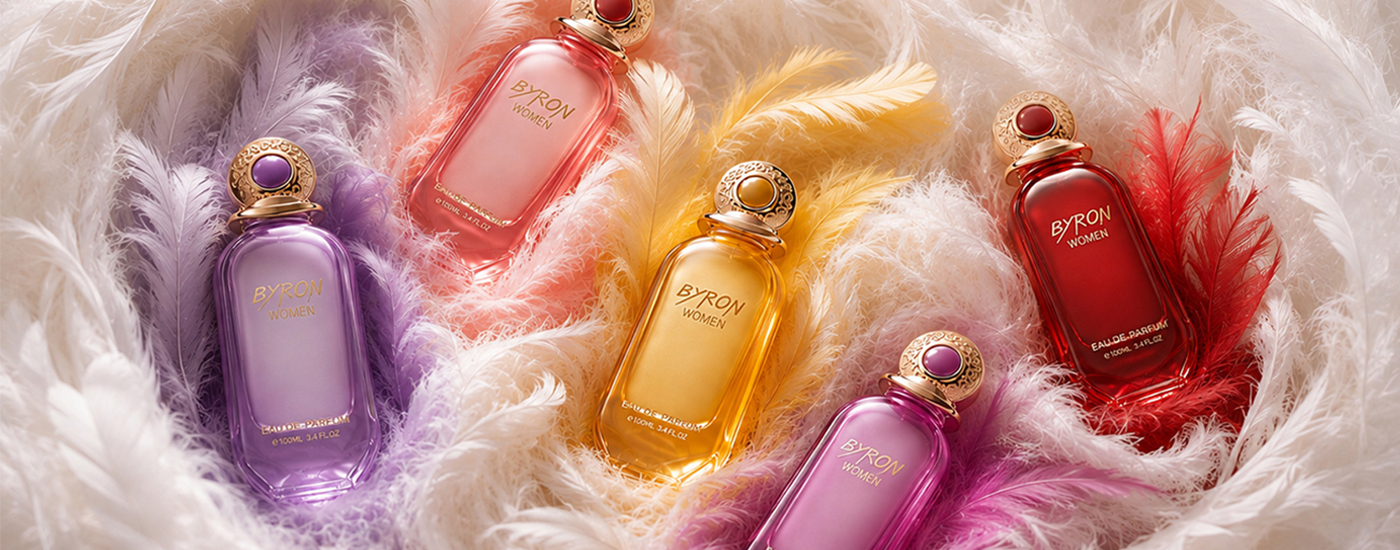
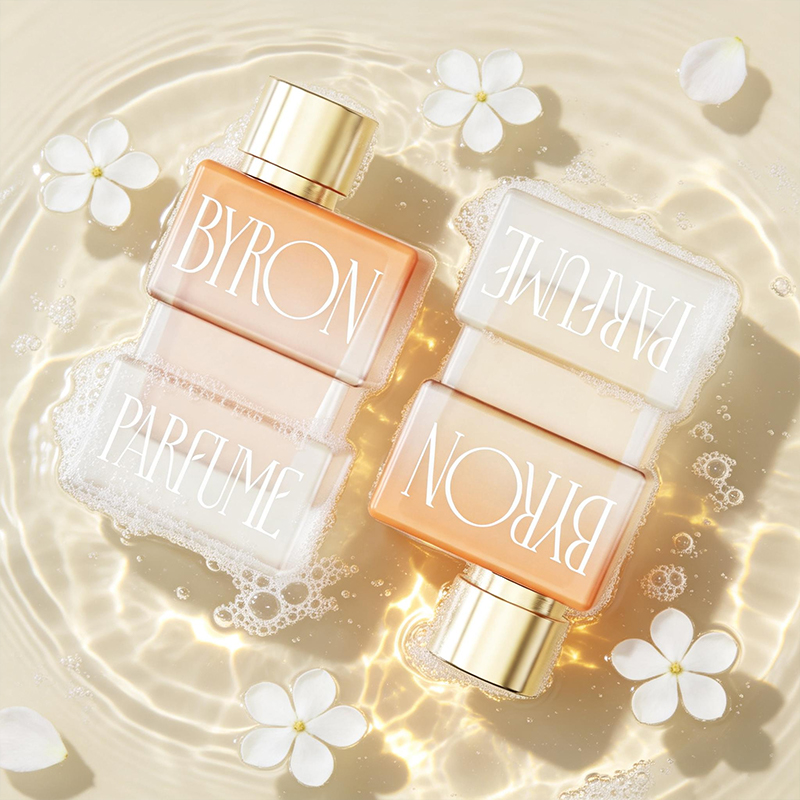
In the fragrant world of perfumes, user experience can define a brand’s success. I’ve witnessed a noteworthy trend: many consumers prefer glass perfume bottles with sprayers over traditional corked options. The underlying issue here is not merely aesthetic but deeply rooted in functionality. Users often face challenges when dispensing their favorite scents, with the risk of spills, waste, and frustration all too real. Imagine reaching for your beloved fragrance only to receive a glob of liquid instead of a fine mist. With time, this inconvenience can lead to reduced customer loyalty and even a noticeable dip in sales for brands that fail to address these inefficiencies.
The primary causes of this problem lie in the design and material choices made by manufacturers. Many perfume brands still adhere to traditional designs, favoring corked bottles that are both difficult to use and potentially harmful to the product. The risk of evaporation increases, leading to alterations in fragrance quality and reduced shelf life. Compounding this issue is the consumer demand for sleek, modern designs that fit seamlessly into their lifestyles. As individuals increasingly favor portability and convenience, the lack of an efficient applicator becomes glaring.
The impact on the fragrance industry is profound. Brands that neglect to innovate, such as those using outdated dispensing methods, may find themselves losing ground to competitors who are quick to adapt to consumer desires. Research indicates that nearly 70% of perfume users seek products that enhance usability and satisfaction. Thus, businesses need to recognize that the user experience isn’t just a perk—it’s a decisive factor influencing purchasing decisions. For instance, consider the shift in market share for brands incorporating glass perfume bottles with sprayers. Companies reporting a 20-30% increase in sales directly attribute this to the convenience provided by sprayer mechanisms, linking this advancement to enhanced customer satisfaction.
Delving deeper into the statistics, a case study from Byron—a well-known brand—reveals compelling insights. They observed a 40% reduction in customer complaints following the implementation of their glass perfume bottles with sprayers. The measurement precision in their sprayers, achieving an output variance within a stunning 0.01mm, showcases how attentiveness to design directly correlates with user fulfillment. Their adherence to stringent quality standards, including ASTM and DIN testing protocols, not only assures product quality but also builds trust amongst consumers.
Neglecting to address these key user issues can lead to severe consequences. With the ongoing evolution of consumer preferences, brands risk obsolescence if they cannot deliver on modern user expectations. Additionally, as businesses pivot towards digital marketing strategies, a failure to optimize user experiences in products can lead to negative reviews, high return rates, and dwindling customer retention rates. Consequently, brands may face a declining reputation and a weakened market position, making the transition to incorporating sprayer designs not just advisable, but imperative.
To mitigate these risks and enhance user satisfaction, investing in glass perfume bottles with sprayers is fundamental. By prioritizing user experience, brands can foster customer loyalty and drive sales growth. I encourage brands presently grappling with outdated packaging to reconsider their strategies and implement these much-needed innovations. This is not merely about aesthetics; it's about creating a seamless experience for the consumer—one that builds trust and integrity in a competitive marketplace.
In conclusion, the adoption of glass perfume bottles with sprayers is not just a passing trend; it addresses essential user experience challenges that can significantly influence brand loyalty and business success. Consumers deserve products that blend style with functionality. By making the switch, brands can enhance their reputation and ensure a sustainable future in the fragrance industry. Let’s embrace this change and prioritize user experience for everyone’s benefit.