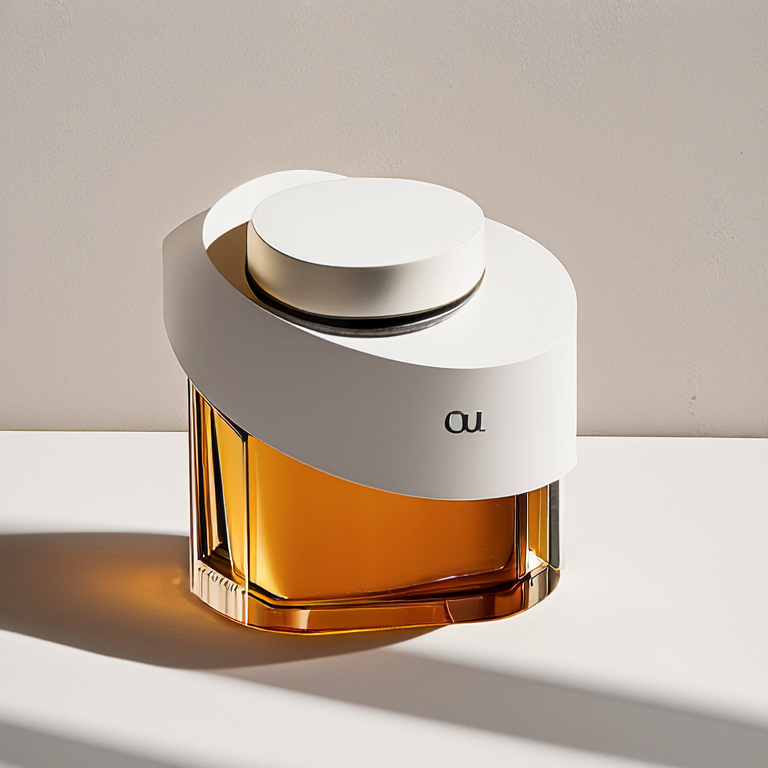
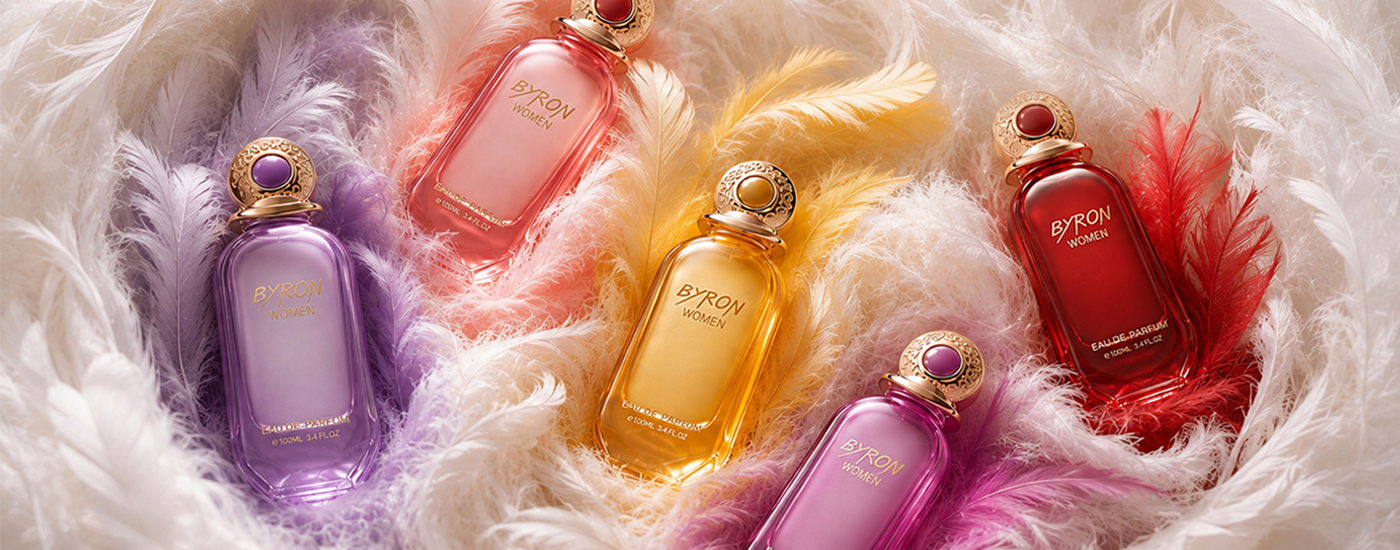
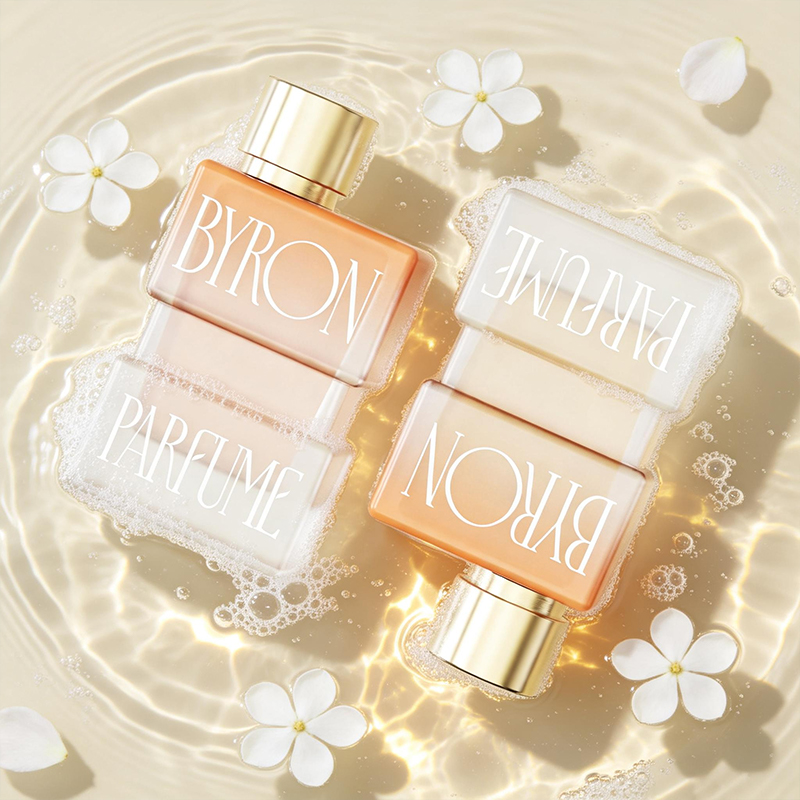
In an era where consumer preferences lean towards simplicity and authenticity, the allure of minimalist perfume bottles comes into sharper focus. The shifting taste reflects a deeper concern: consumers today are increasingly overwhelmed by clutter and excessive complexity in their lives. From the intricate designs of yesteryear to the stark lines of modern luxury, the pressure to choose a product that stands out without overwhelming the senses is immense. Ignoring this trend can lead to a disconnect between brands and their target audience, risking not only customer loyalty but ultimately market viability in a fiercely competitive landscape.
The causes behind this preference for minimalism are manifold. Firstly, the rise of the wellness movement plays a pivotal role, as consumers gravitate towards aesthetics that promote tranquility and elegance. Moreover, the digitization of shopping experiences has conditioned consumers to appreciate streamlined packaging that aligns with the minimalist aesthetics found on their screens. The tactile experience of purchasing a beautifully crafted, yet simple perfume bottle creates a significant emotional connection, reinforcing the importance of packaging in modern marketing strategies. This psychology of consumer behavior provides a compelling rationale for brands to embrace minimalist designs.
From a business perspective, the impact of adopting minimalist perfume bottles cannot be underestimated. Brands that successfully implement this design ethos not only enhance their image but also benefit from sustainable practices often accompanying minimalist packaging. The reduced material use not only cuts costs but aligns with the increasing consumer demand for eco-conscious products. According to a recent report by Grand View Research, the global perfume market is projected to reach USD 45.77 billion by 2026, with minimalist designs gaining significant market share due to discerning consumer behavior. The perceptive brand Byron has already harnessed this trend, creating sleek and elegant perfume bottles that resonate with modern luxury, setting a benchmark for others in the industry.
Further bolstering the case for minimalism, I’ve come across numerous case studies showing the tangible benefits of these designs. A 2021 study by Packaging Europe revealed that 73% of consumers are more likely to repurchase a product if the packaging is perceived as environmentally friendly and aesthetically pleasing. Additionally, brands like Aesop have demonstrated that by adopting minimalist packaging, they can significantly reduce their supply chain costs while simultaneously enhancing the consumer experience.
Failing to acknowledge the importance of modern minimalist perfume bottles can yield dire consequences. Brands that cling to traditional, ornate designs may find themselves alienating a significant portion of the market that values clarity and sustainability. As tastes evolve, companies risk becoming irrelevant if they do not adapt their packaging strategies to meet contemporary demands. Moreover, the added recycling or disposal costs associated with excessive packaging can tarnish a brand's reputation and bottom line, especially as consumers become increasingly environmentally conscious.
In closing, the rise of minimalist perfume bottles is not merely a passing trend; it is a crucial shift that reflects consumer demands for simplicity, sustainability, and elegance. As I observe the changing currents in luxury packaging, I urge brands to reevaluate their approach and embrace this philosophy. By investing in sophisticated yet minimalist designs, brands like Byron not only cater to modern aesthetic preferences but also position themselves for long-term success in an ever-evolving market. Let us embrace this luxurious simplicity and redefine the standards of perfume packaging for a discerning consumer base ready for the modern age.